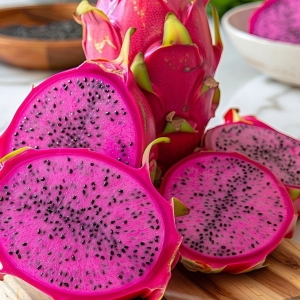
Premium Fresh Passion Fruit
Our premium passion fruits are carefully cultivated and selected from trusted farms in Vietnam to ensure freshness, natural sweetness, and excellent export quality. Known for their vibrant flavor and rich aroma, passion fruits are widely used in beverages, desserts, food processing, and international export markets.
We mainly supply two popular product types:
- Fresh Whole Passion Fruit – carefully selected fresh fruits with natural flavor, juicy pulp, and excellent appearance for fresh consumption and retail markets.
- Frozen Passion Fruit Pulp – processed from fresh passion fruits and rapidly frozen to preserve natural taste, aroma, and nutritional value, suitable for industrial food and beverage production.
All products are processed and packed according to international food safety and export standards to maintain freshness and product quality during transportation.
Product Features
- Fresh and naturally aromatic flavor
- Rich in vitamins, antioxidants, and nutrients
- Carefully selected premium export quality
- Hygienically processed and securely packed
- Stable quality and reliable supply
- Available in customized specifications and packaging options
Packing Information
Fresh Whole Passion Fruit
- Standard packing: 5 kg / 10 kg carton boxes
- Protective foam net packing available
- Moisture-resistant export-standard cartons
Frozen Passion Fruit Pulp
- Standard packing: 1 kg / 10 kg frozen bags or carton boxes
- Frozen storage and export-standard packaging
- Customized private label packing available upon request
Container Loading Capacity
- Fresh Passion Fruit
- 20FT Reefer Container: Approximately 9 – 11 MT
- 40FT Reefer Container: Approximately 20 – 24 MT
- Frozen Passion Fruit Pulp
- 20FT Reefer Container: Approximately 10 – 12 MT
- 40FT Reefer Container: Approximately 22 – 25 MT
- Loading quantity may vary depending on packaging specifications and destination requirements.
Applications
- Fresh fruit retail and supermarket supply
- Juice and smoothie production
- Food processing and dessert industries
- Beverage manufacturing
- Export and wholesale distribution
We are committed to delivering premium-quality passion fruit products with stable supply, competitive pricing, and reliable global export services to customers worldwide.