
Global cotton balance turns tighter as demand hits six-year high
Friday, 15/05/2026
Administrator
286
Thứ 6, 15/05/2026
Administrator
286
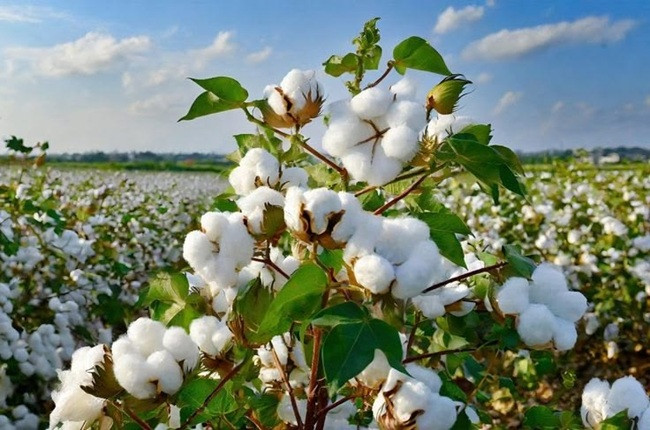
The global cotton market is entering a tighter supply cycle as production and ending stocks decline while consumption rises sharply in the 2026/27 marketing year. According to the latest World Agricultural Supply and Demand Estimates (WASDE) report from the United States Department of Agriculture (USDA), the shifting balance could create new sourcing and pricing pressures for textile-manufacturing countries, including Bangladesh.
USDA projected global cotton production at 116 million bales for 2026/27, down around 5 per cent from the previous season. At the same time, world cotton consumption is expected to reach 121.7 million bales, the highest level in six years.
The supply decline is mainly linked to lower output in major producing and exporting countries, including the United States, Brazil, China, Pakistan, and Australia. Production gains in India and Argentina are expected to offset only part of the global shortfall.
According to the USDA, global ending stocks are projected to decline to 71.8 million bales, reflecting tighter availability across the international cotton market. Industry analysts believe this could increase market volatility during the coming sourcing season.
The latest outlook also signals a structural shift in the global fibre market. Higher oil prices have raised the production cost of synthetic fibres such as polyester and nylon, making cotton relatively more competitive for textile mills and apparel manufacturers.
As a result, cotton demand is expected to remain strong across major textile exporting countries, including Bangladesh, Vietnam, Indonesia, and Turkey.
Bangladesh is likely to remain one of the biggest drivers of global cotton trade. USDA forecasts show Bangladesh may import around 8.1 million to 8.5 million bales during MY2025/26, maintaining its position as the world’s largest cotton importer.
The country’s expanding ready-made garment sector continues to support strong raw material demand. Bangladesh’s apparel export growth in recent quarters has increased spinning activity and reinforced dependence on imported cotton.
However, the tighter global cotton balance could create cost pressure for local mills and spinners. Lower global stocks, combined with weather-related production risks in key exporting countries, may increase cotton price volatility during the second half of 2026.
US cotton production for 2026/27 is projected at around 13.3 million bales, down from the previous season, while US ending stocks are expected to fall to 3.9 million bales. USDA also forecast the US season average farm price to rise to 73 cents per pound compared to 61 cents per pound in the previous marketing year.
Brazil is expected to remain the largest cotton exporter with shipments of around 15 million bales, followed by the United States at 12.3 million bales.
Meanwhile, China’s role in global cotton imports continues to shrink as the country increasingly shifts toward man-made fibres and domestic stock drawdown policies. Industry observers believe this transition is gradually redirecting more cotton trade flows toward Bangladesh and Vietnam.
According to the International Cotton Advisory Committee (ICAC), global cotton trade may rise further in 2026/27 as textile manufacturing hubs continue expanding sourcing activities despite tightening supplies.
For Bangladesh, the latest cotton outlook highlights both opportunity and risk. Strong garment exports are supporting raw cotton demand, but higher international prices and tighter availability may increase sourcing costs for the textile value chain in the coming seasons.
https://www.textiletoday.com.bd/
-
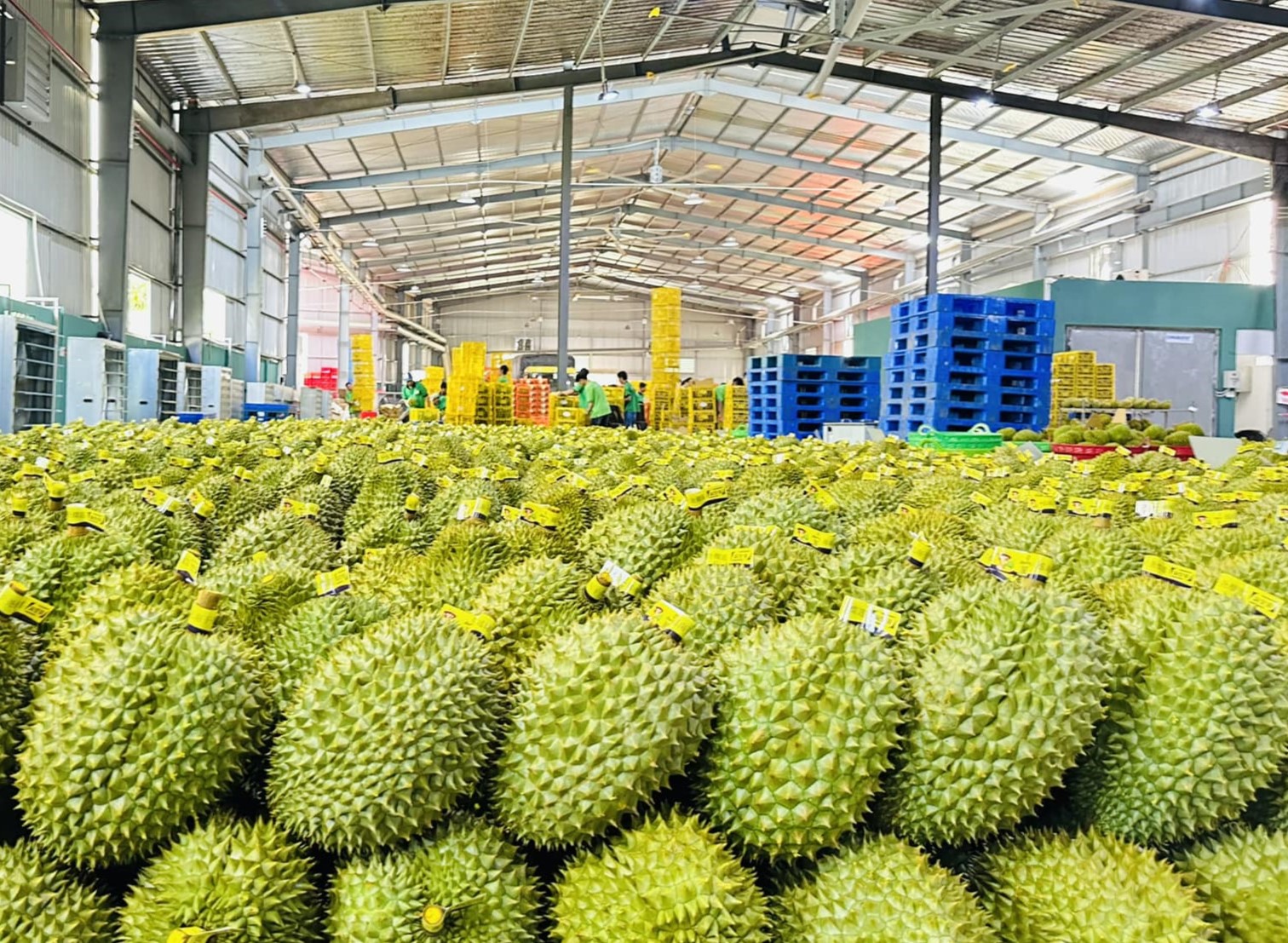 Why Southeast Asian Fruits Are Dominating the Global Market19/04/2026
 -
 Choosing the Right Agro Supplier: What Global Buyers Should Know19/04/2026
 -
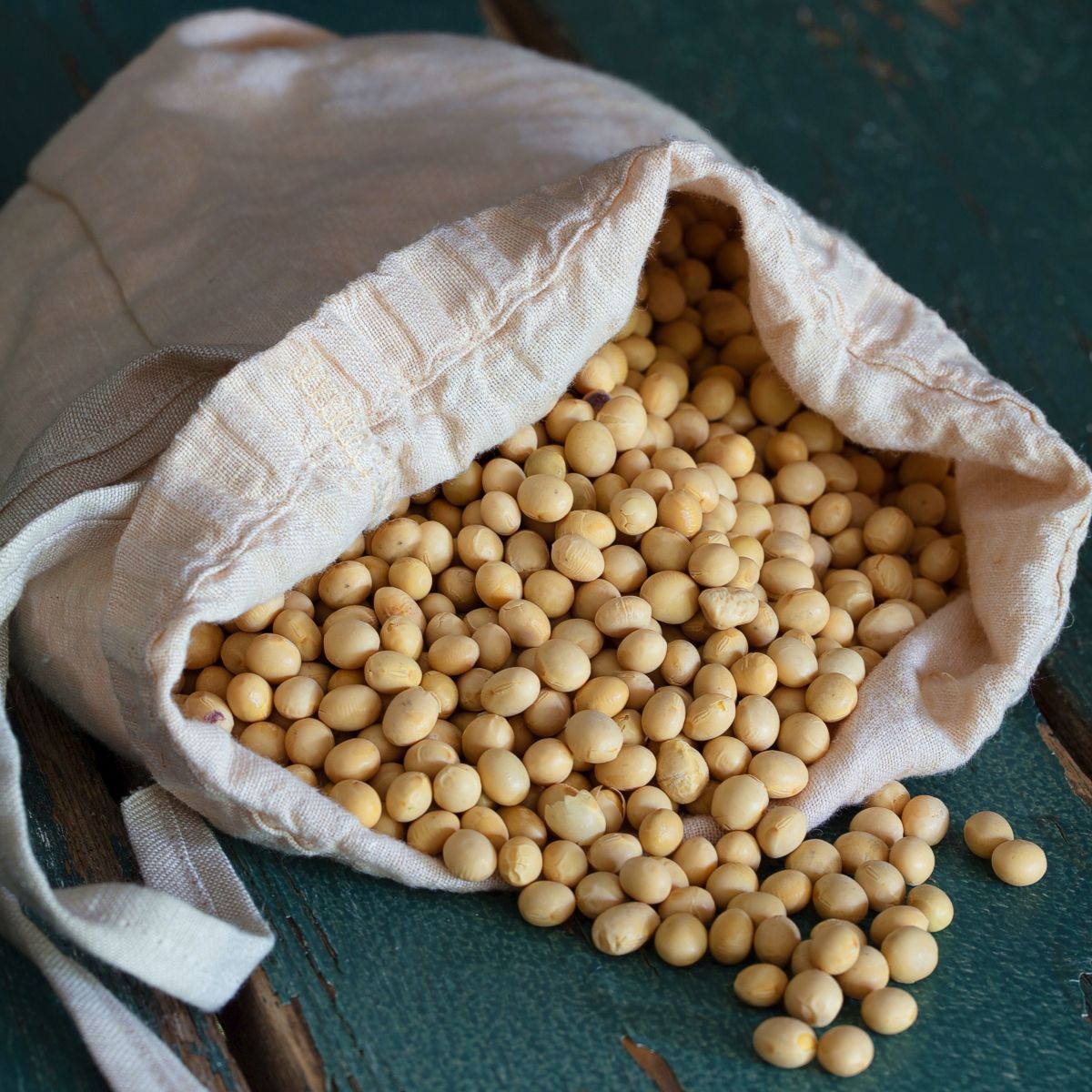 The Amazing Benefits of Soybeans for Health and Nutrition15/05/2026
 -
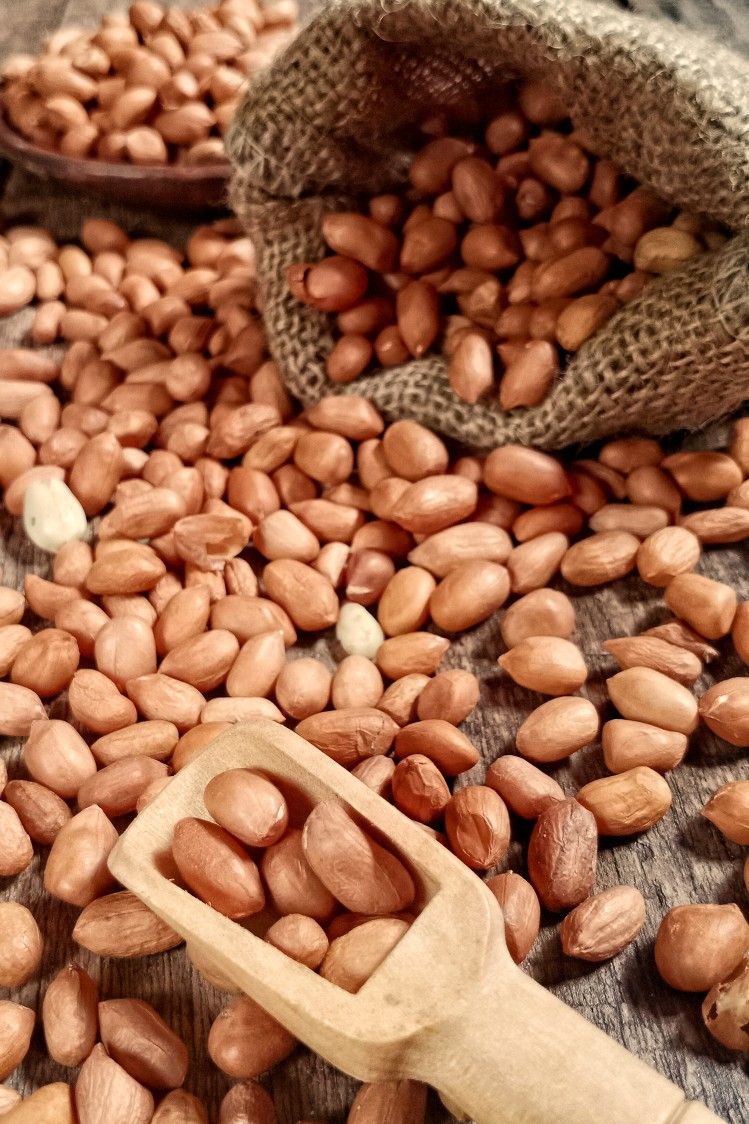 Peanuts: A Delicious Snack with Amazing Health Benefits15/05/2026
 -
 Fresh Coconut – Nature’s Refreshing Gift for a Healthier Lifestyle15/05/2026