
The Amazing Benefits of Soybeans for Health and Nutrition
Friday, 15/05/2026
Administrator
249
Thứ 6, 15/05/2026
Administrator
249
The Benefits of Soybeans: A Nutritional Powerhouse

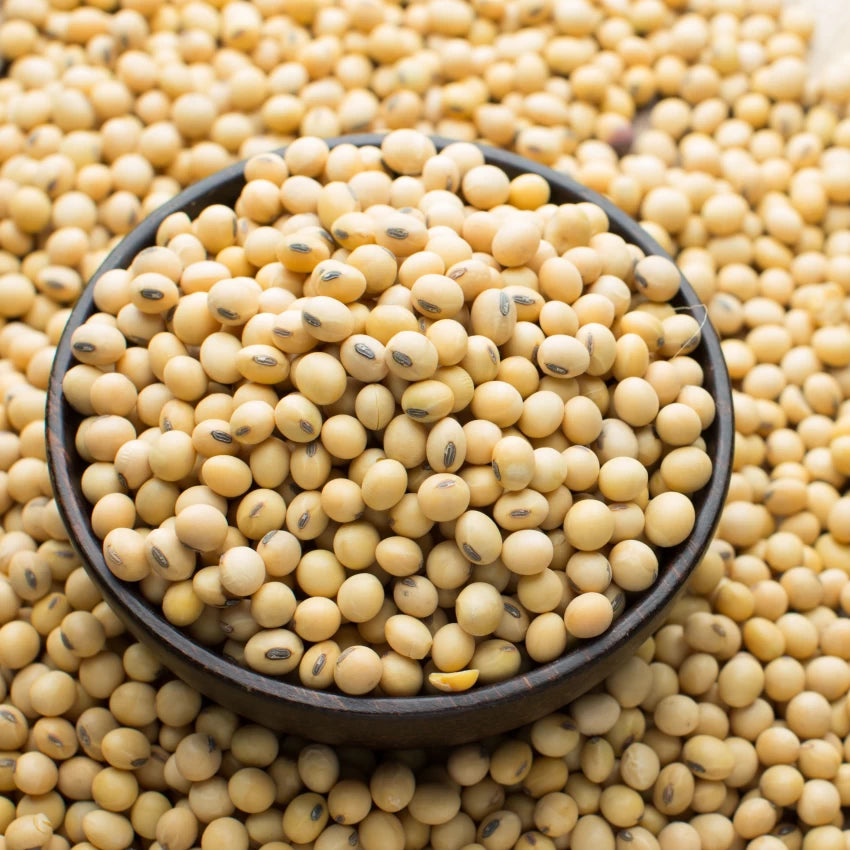
Soybeans are among the most versatile and nutritious crops in the world. Used in everything from tofu and soy milk to animal feed and cooking oil, soybeans have become an essential part of modern diets and agriculture. Beyond their versatility, soybeans offer a wide range of health, environmental, and economic benefits.
Rich Source of Protein
One of the greatest advantages of soybeans is their high protein content. Soybeans contain all nine essential amino acids, making them a complete plant-based protein source. This makes them especially valuable for vegetarians and vegans looking for alternatives to meat.
Foods made from soybeans, such as tofu, tempeh, and edamame, provide high-quality protein that supports muscle growth, tissue repair, and overall body function.
Heart Health Benefits
Soybeans may contribute to better heart health. They are naturally low in saturated fat and contain healthy unsaturated fats that help maintain balanced cholesterol levels. Studies suggest that consuming soy protein can help reduce LDL (“bad”) cholesterol, which may lower the risk of heart disease.
Additionally, soybeans contain omega-3 fatty acids and antioxidants that support cardiovascular health.
Supports Bone Health
Soybeans are rich in calcium, magnesium, and isoflavones — compounds that may help maintain strong bones. Regular consumption of soy products may reduce the risk of osteoporosis, especially in older adults and postmenopausal women.
Helpful for Weight Management
Soybeans are high in protein and fiber, which can help people feel full for longer periods. This may reduce overeating and support healthy weight management. Compared to many processed snacks, soy-based foods are often more nutritious and satisfying.
Good for Digestive Health
The fiber found in soybeans supports healthy digestion and promotes gut health. Fiber helps regulate bowel movements and may reduce the risk of digestive disorders.
Fermented soy products such as miso and tempeh also contain beneficial probiotics that support the digestive system.
Environmentally Friendly Crop
Soybeans are not only beneficial for human health but also for the environment. Soy plants help improve soil quality by naturally fixing nitrogen in the soil, reducing the need for chemical fertilizers.
Compared to animal protein production, soybean farming generally requires less water and produces lower greenhouse gas emissions, making soy a more sustainable protein source.
Economic Importance
Soybeans play a major role in global agriculture and trade. They are widely used in food manufacturing, livestock feed, biodiesel production, and industrial products. Many countries rely on soybean exports as an important part of their economy.
Conclusion
Soybeans are a powerful superfood with numerous benefits for health, sustainability, and the global economy. Whether consumed as tofu, soy milk, edamame, or other soy-based products, soybeans provide valuable nutrients and support a healthier lifestyle. As interest in plant-based diets continues to grow, soybeans will likely remain one of the world’s most important and beneficial crops.
https://fanhuastarinc.com/
-
 Why Southeast Asian Fruits Are Dominating the Global Market19/04/2026
 -
 Choosing the Right Agro Supplier: What Global Buyers Should Know19/04/2026
 -
 Global cotton balance turns tighter as demand hits six-year high15/05/2026
 -
 Peanuts: A Delicious Snack with Amazing Health Benefits15/05/2026
 -
 Fresh Coconut – Nature’s Refreshing Gift for a Healthier Lifestyle15/05/2026